Being an Introvert Journal – A Guided Space to Understand, Accept & Embrace Your Introverted Side
Being an introvert does not mean you need to become someone else.
For people who naturally enjoy quiet environments, meaningful conversations, personal space, reflection, and time alone, everyday social situations can sometimes feel overwhelming. Busy environments, difficult conversations, social expectations, negative thought patterns, and pressure to constantly be outgoing can make it difficult to protect your energy and maintain a sense of inner calm.
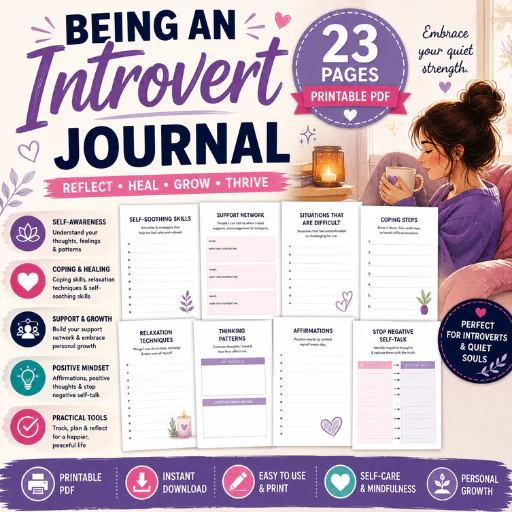
The Being an Introvert Journal is a guided printable journal created to provide a structured space for self-reflection, emotional awareness, coping strategies, relaxation, positive thinking, affirmations, and personal growth.
Instead of treating introversion as something that needs to be "fixed," this journal encourages users to better understand their own needs, recognize difficult situations, identify useful coping strategies, and develop practical ways to protect their peace.
The journal contains 23 guided pages and focuses on practical reflection rather than simply filling pages with inspirational quotes. It gives you prompts and worksheets that can help you explore how you respond to different situations and what helps you feel more comfortable, grounded, and in control.
Whether you are naturally quiet, prefer smaller social circles, need regular alone time to recharge, or simply want a calmer way to understand yourself, this journal can become a useful addition to your personal journaling and self-care routine.
What Is an Introvert Journal?
An introvert journal is a guided space for reflecting on your experiences, preferences, emotions, thoughts, boundaries, and ways of coping with situations that may feel socially or emotionally demanding.
The Being an Introvert Journal focuses specifically on areas such as:
These sections make the product more than a blank diary. It functions as a guided self-reflection workbook for introverted personalities and quiet thinkers.
What's Included
This product includes a 23-page digital journal PDF focused on introversion, self-awareness, coping, relaxation, and positive self-talk.
The journal covers:
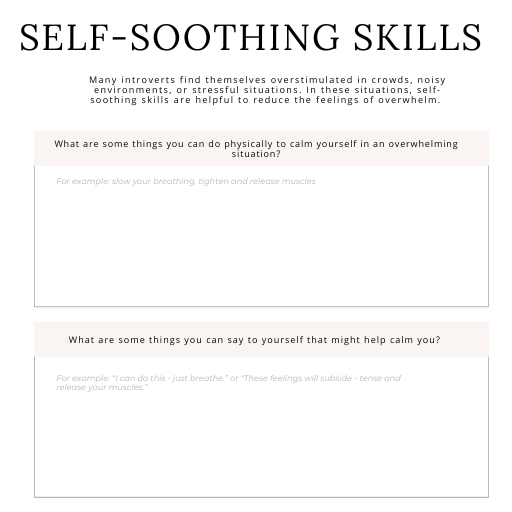
1. Self-Soothing Skills
Explore activities and strategies that can help you calm yourself and create a greater sense of comfort when you feel overwhelmed.
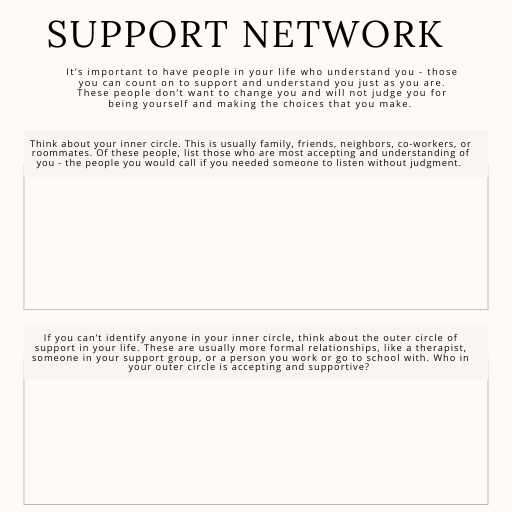
2. Support Network
Reflect on the people you can turn to when you need encouragement, understanding, companionship, or support.
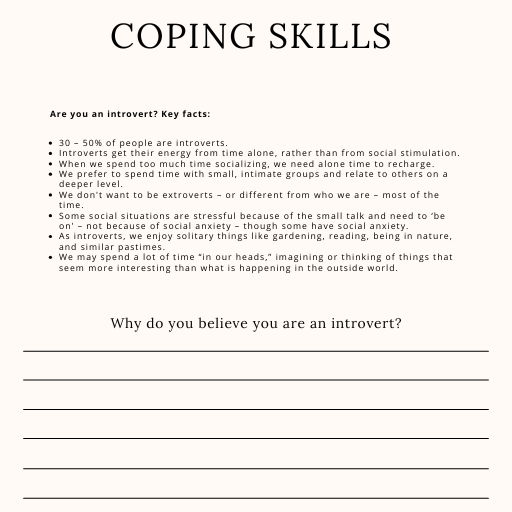
3. Coping Skills
Identify practical ways of handling situations that may feel uncomfortable, stressful, or emotionally demanding.
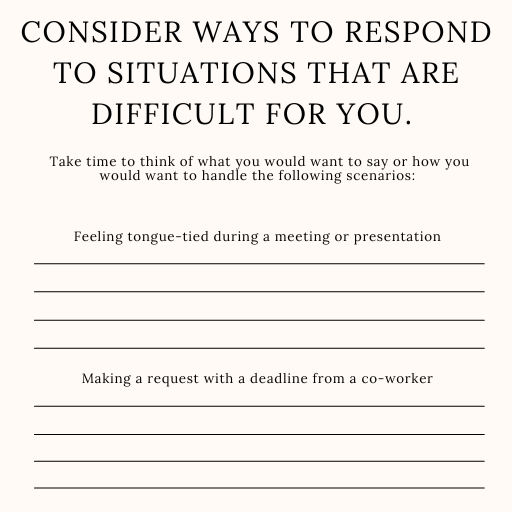
4. Situations That Are Difficult
Recognize situations that tend to challenge you and create space to think about why they feel difficult.
5. Coping Steps
Break difficult experiences into manageable steps instead of trying to handle everything at once.
6. Relaxation Techniques
Explore different ways to relax, recharge, and create quiet moments for yourself.
7. Thinking Patterns
Become more aware of recurring thoughts and the patterns that influence how you respond to situations.
8. Positive Thoughts
Create space for more constructive and encouraging ways of looking at yourself and your experiences.
9. Going With the Flow
Practice releasing the need to control every situation and learn to approach some experiences with greater flexibility.
10. Things I Can Control
Separate what is within your control from what isn't, helping you focus your attention on actions you can actually take.
11. Affirmations
Use positive affirmations to encourage a more supportive internal dialogue.
12. Stop Negative Self-Talk
Identify unhelpful self-talk and work toward replacing destructive internal messages with more constructive thoughts.
These page topics are supported by publicly indexed descriptions of the journal/template.
A Journal Designed Around Quiet Strength
A common problem with generic confidence and self-development products is that they often assume everyone wants the same thing:
More social interaction.
More networking.
More talking.
More activity.
More stimulation.
That isn't necessarily useful for an introvert.
The purpose of this journal is different.
It creates room for quiet reflection, personal boundaries, self-awareness, emotional processing, and finding ways to feel comfortable in your own personality.
You don't need to turn yourself into an extrovert to become more confident.
Confidence can also come from understanding yourself better, knowing your limits, recognizing what drains your energy, identifying what helps you recover, and becoming more comfortable with who you already are.
Explore Your Self-Soothing Skills
When life becomes overwhelming, having a list of things that help you calm down can be useful.
The Self-Soothing Skills section gives you a place to identify activities and strategies that help you feel more comfortable and grounded.
You can use this section to build your own personal collection of calming techniques and return to it whenever you need ideas for slowing down.
Identify Your Support Network
Being introverted doesn't mean you don't need people.
In fact, knowing who you trust and who you can turn to can be an important part of maintaining healthy relationships and emotional well-being.
The Support Network section gives you space to reflect on the people in your life who provide support and understanding.
This can help you distinguish between relationships that genuinely recharge you and situations that leave you feeling emotionally exhausted.
Understand Difficult Situations
Some situations can be particularly uncomfortable for introverted people.
Examples may include:
The Situations That Are Difficult section gives you a structured way to identify situations that challenge you.
The point isn't to label every uncomfortable experience as a problem.
Instead, it helps you understand your reactions so you can make more intentional choices.
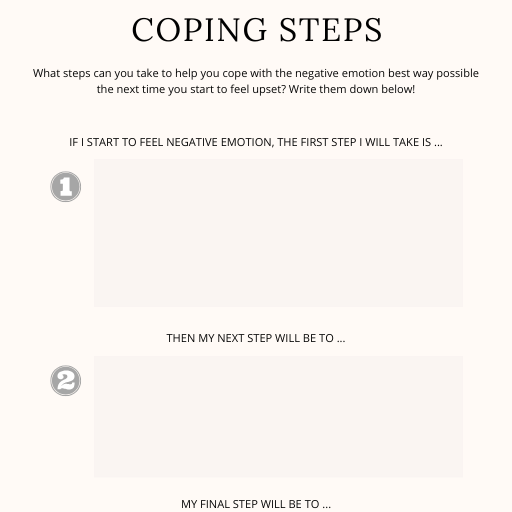
Create Your Own Coping Strategy
Once you identify a difficult situation, knowing what to do next matters.
The Coping Steps section helps turn vague discomfort into a more structured response.
Rather than simply thinking:
"I don't like this situation."
you can begin thinking:
What is happening?
What am I feeling?
What can I do?
What would make this easier?
This type of structured reflection can make the journal more practical than a standard diary.
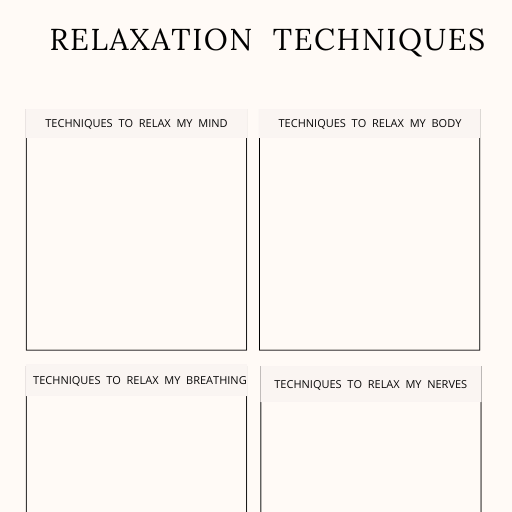
Discover Relaxation Techniques
Introverts often value time away from constant stimulation.
The Relaxation Techniques section provides space to identify methods that help you relax and recharge.
You can use it to build a personal list of activities that make quiet time more restorative.
Understand Your Thinking Patterns
Thoughts can influence how we interpret situations.
The Thinking Patterns section encourages greater awareness of the way you think about yourself, other people, and different experiences.
This is especially useful when you notice recurring thoughts that increase stress or self-doubt.
The goal is not to force yourself to think positively all the time.
The goal is to become more aware of your thoughts instead of automatically accepting every thought as fact.
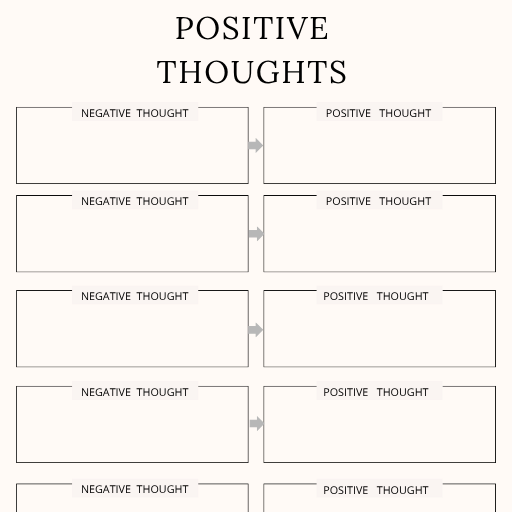
Build Positive Thoughts
The journal includes a Positive Thoughts section designed to encourage more constructive internal dialogue.
Instead of constantly focusing on what went wrong, this section provides an opportunity to deliberately recognize useful, encouraging, or balanced thoughts.
Learn to Go With the Flow
Not every situation can be controlled.
The Going With the Flow section encourages reflection around flexibility and acceptance.
This can be particularly useful for people who spend a lot of time mentally preparing for social situations or worrying about how something might unfold.
Sometimes the most useful response is not to control every detail, but to recognize what is happening and respond as calmly as possible.
Focus on What You Can Control
One of the most practical concepts in the journal is identifying Things I Can Control.
You cannot control:
But you can often control:
This section encourages users to redirect energy toward areas where they actually have influence.
Use Positive Affirmations
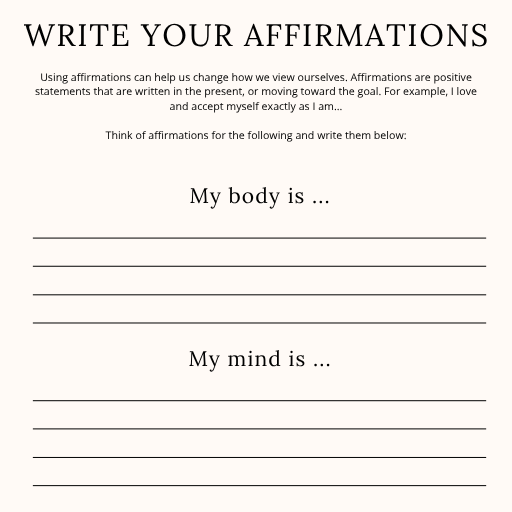
The Affirmations section provides space for positive statements that reinforce a healthier relationship with yourself.
Examples of the type of statements you might write include:
I am comfortable being myself.
My need for quiet time is valid.
I don't need to be the loudest person in the room.
I can set healthy boundaries.
I can take my time before responding.
My quiet nature can be a strength.
The journal gives users space to develop affirmations that are personally meaningful rather than relying entirely on generic statements.
Stop Negative Self-Talk
Negative self-talk can easily become repetitive.
Statements such as:
"I'm too quiet."
"Everyone thinks I'm awkward."
"I should be more outgoing."
can become automatic assumptions rather than objective facts.
The Stop Negative Self-Talk section encourages users to notice these patterns and work toward more balanced and constructive internal dialogue.
This is one of the most useful aspects of the journal because confidence doesn't require pretending everything is perfect.
It requires learning to speak to yourself in a way that is more realistic and supportive.
Who Is This Journal For?
This printable journal is particularly suitable for:
It can also work as a thoughtful self-care gift for an introvert.
How to Use the Being an Introvert Journal
You don't need to complete all 23 pages in one sitting.
In fact, that would defeat the purpose of a reflective journal.
Step 1 — Start With Self-Awareness
Begin with the pages that help you understand yourself, your needs, and your experiences.
Step 2 — Identify Difficult Situations
Write down situations that tend to make you uncomfortable, overwhelmed, or drained.
Step 3 — Develop Coping Strategies
Use the coping and relaxation sections to identify practical responses.
Step 4 — Examine Your Thoughts
Pay attention to recurring thinking patterns and negative self-talk.
Step 5 — Create Positive Reminders
Use the affirmations and positive-thought pages to create a more supportive internal dialogue.
Step 6 — Revisit Your Answers
Come back to the journal periodically.
Your answers may change as your circumstances, confidence, relationships, and understanding of yourself develop.
Why This Journal Is Different
This isn't another generic "be confident" workbook.
The product is specifically built around introversion and the challenges and strengths associated with a quieter personality.
It combines:
Self-Awareness + Coping Skills + Relaxation + Support + Positive Thinking + Affirmations + Emotional Reflection
That gives it a clear niche.
Instead of trying to appeal to everyone, the product speaks directly to people who identify with introverted or quiet personalities.
Product Features
The 23-page count and core sections are supported by publicly indexed product descriptions matching this journal.
Digital Product Details
Product: Being an Introvert Journal
Pages: 23
Format: Printable PDF
Product Type: Guided Journal / Self-Reflection Workbook
Delivery: Digital download
Physical Product: No physical product will be shipped.
If you're selling the editable version, the Canva-editable aspect should be stated only if your license and actual product delivery permit you to provide the editable Canva template. The publicly indexed versions of this product describe Canva-editable formats and resell-rights variants, but you should not automatically advertise PLR/MRR rights on WhatDigit unless your own license specifically grants those rights.
Frequently Asked QuestionsWhat is the Being an Introvert Journal?
It is a guided 23-page printable journal designed around self-reflection, coping skills, relaxation, positive thinking, affirmations, and understanding the needs and experiences associated with introversion.
Is this a printable journal?
Yes. The product is designed as a digital printable journal.
How many pages are included?
The publicly indexed version of this journal is described as a 23-page digital journal.
Who can use this journal?
It is suitable for introverts, quiet personalities, reflective thinkers, and anyone interested in self-awareness, personal growth, coping strategies, and self-care.
What topics are covered?
Topics include self-soothing skills, support networks, coping skills, difficult situations, coping steps, relaxation techniques, thinking patterns, positive thoughts, going with the flow, things you can control, affirmations, and negative self-talk.
Can I use it for daily journaling?
Yes. You can work through the pages at your own pace and revisit sections whenever you need them.
Is this a medical or mental-health treatment product?
No. It is a personal reflection and self-care journal. It should not be presented as a replacement for professional medical or psychological care.
Published:
Aug 24, 2026 10:57 AM
Category:
Product Type:
journalSize:
a4Color:
black & whiteTags: